
THE ROLE OF THE SPOUSE AND SUPPORT SYSTEM
Mental health conditions do not affect only the veteran.
They affect daily life, and the people living it with you.
Often, the clearest picture comes from your spouse or support system.
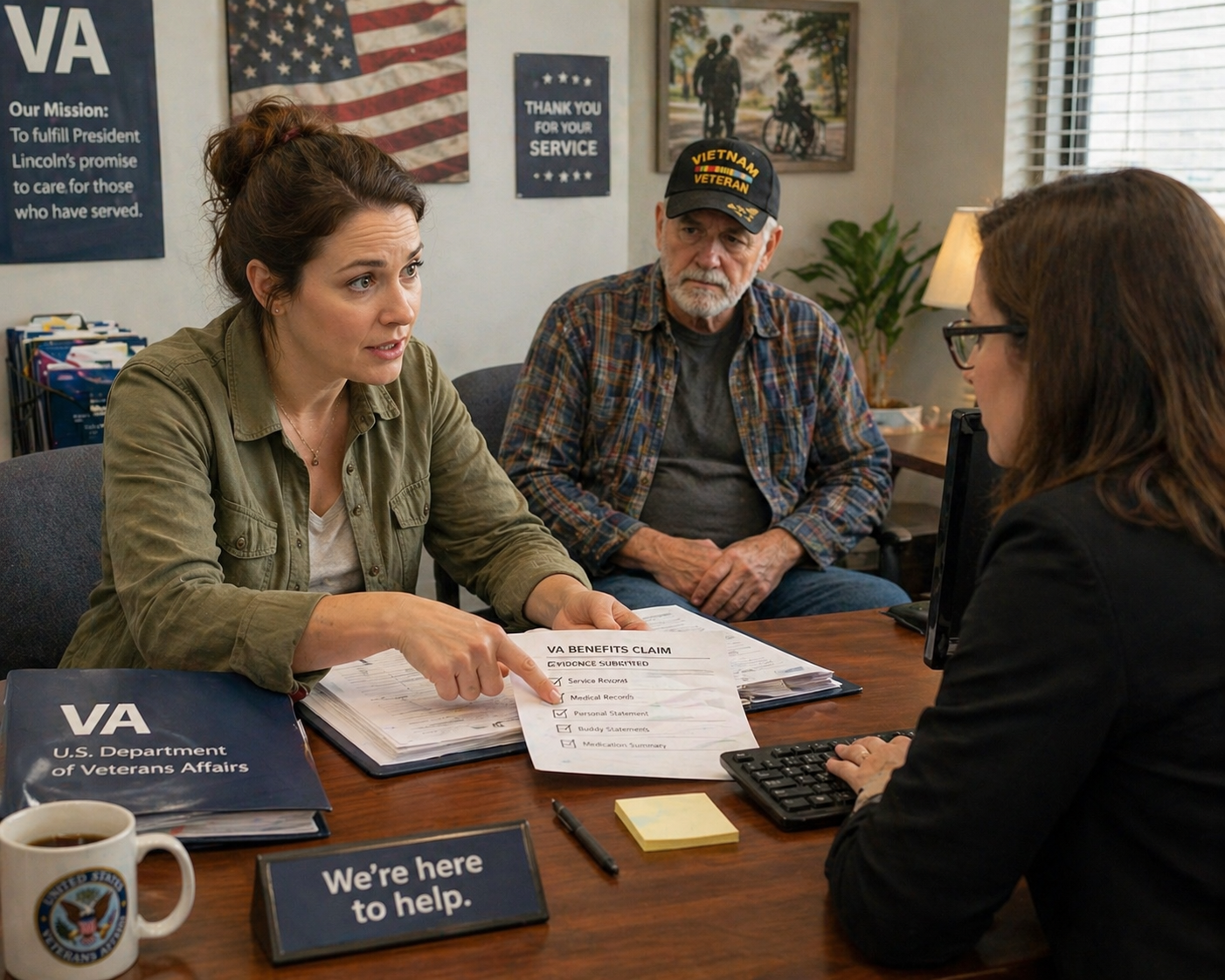

What They See
Over time, veterans adapt to symptoms, minimize them, or push through.
Your spouse or support system often sees:
Changes in mood, anger, or withdrawal
Sleep disruption and distress
Anxiety or hypervigilance
Loss of motivation or interest
The impact on work, relationships, and daily life
They are not seeing isolated moments.
They are seeing patterns over time.

Why This Matters
VA decisions depend on what is clearly documented.
Without this perspective:
Symptoms may be understated
Severity may be missed
The full impact may not be understood

A Balanced Role
This is not about speaking for the veteran. It is about:
Accuracy
Clarity
Completeness
The veteran’s voice remains central.
The support system helps ensure it is fully understood.
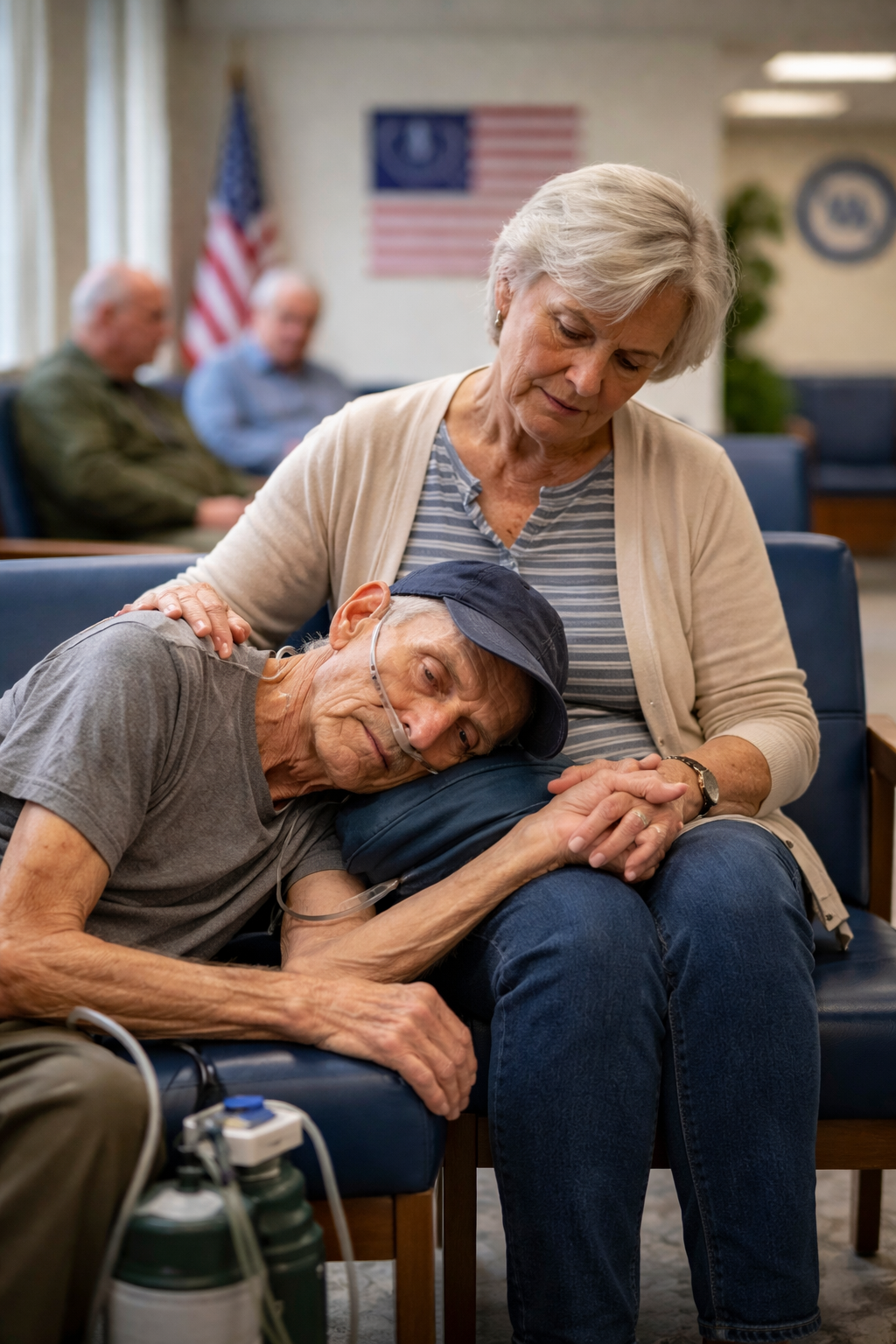
What Strengthens the Record
When appropriate, involving a spouse or support system:
Adds real day-to-day observations
Helps document changes over time
Strengthens consistency across your record
Completes the clinical picture
Once your condition is clearly documented, the next step is ensuring you receive the proper level of care.