

Understanding Your Mental Health Condition
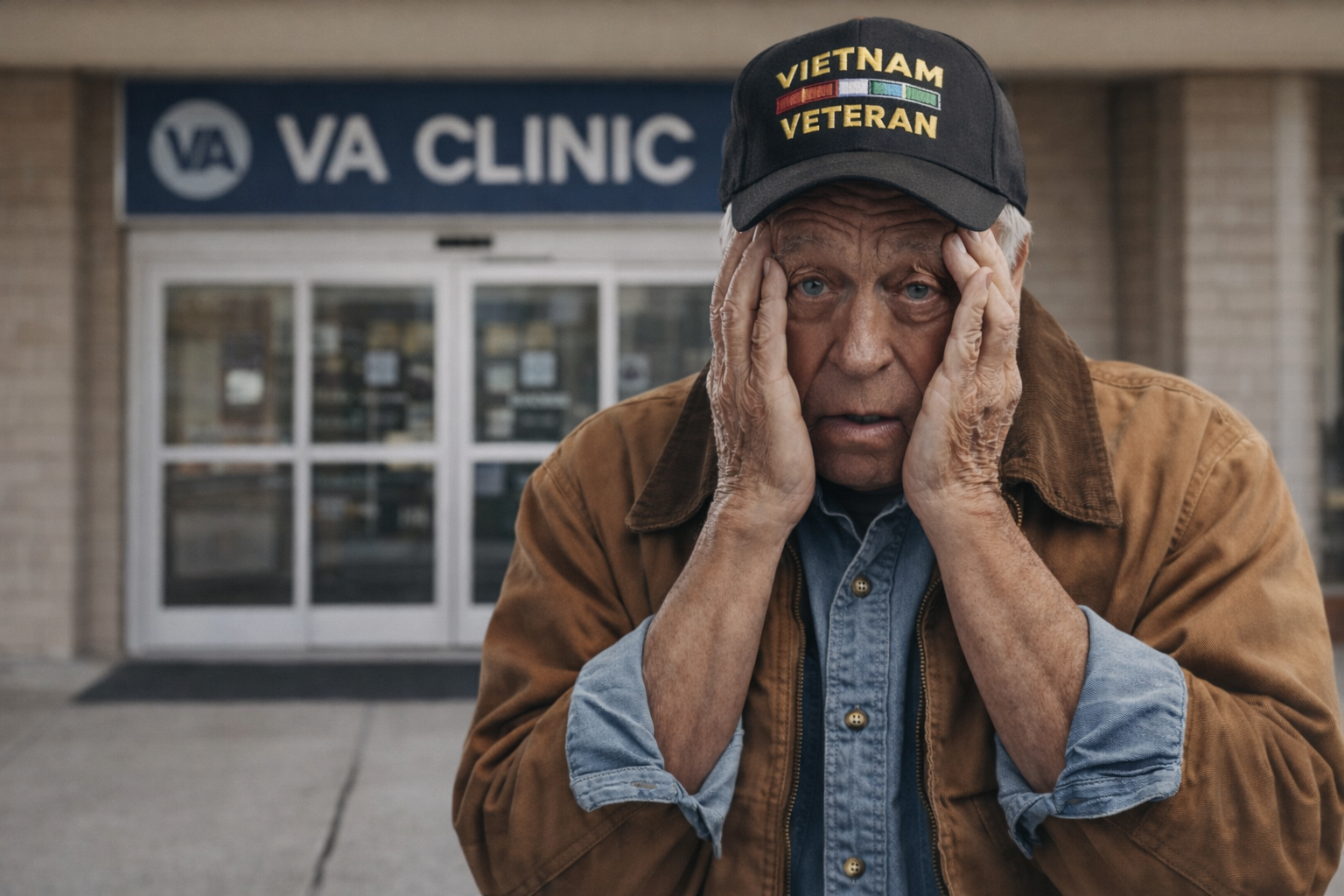
If you’re here, it’s because something has been wrong for a long time.
Not because you’re weak. Not because you didn’t try hard enough. But because what happened during your service changed you, and no one helped you clearly put it together.
Combat. MST. Accidents. Chronic exposure to stress. These don’t just go away. They follow you home.They show up as poor sleep, anger, isolation, anxiety, depression, and problems at work and in relationships.
And here’s the truth:
The VA does not connect this for you. You have to Do IT YOURSELF and show it.

Where Claims Break Down
The system is not designed to “figure you out.” It is designed to evaluate what is clearly documented. That means the VA is asking:
What is your diagnosis, right now?
What happened in service?
How do we know the two are connected?
How is your life impacted today?
If those answers are not clearly laid out, your claim can be denied, regardless of how real your condition is.
What Changes the Outcome
What works is not just telling your story. What works is organizing it clearly:
Service → Symptoms → Impact
Consistent, documented, and supported
Including input from those who live with you and see it daily
Often, your spouse or family sees the full impact more clearly than anyone else.
What Comes Next
The sections that follow break this down step by step:
PTSD
MST
Depression
Anxiety
Insomnia
This is where you start turning what you’ve endured into something the system can actually understand.
Not vague. Not scattered. Not ignored.
Clear. Connected. Taken seriously.

Most veterans we see at OP4V, like you, are most likely dealing with some combination of:
PTSD: Reliving events, avoiding reminders, always on edge.
Depression: Low motivation, withdrawal, loss of purpose.
Anxiety: Constant tension, racing thoughts, irritability.
MST: Often unreported, often carried silently for years.
Insomnia: Nightmares and restless sleep.
These are not separate problems. They are often connected and rooted in your service.