Combat Veteran. Clinical Expert. No-Nonsense Advocate.
Most veterans like you are not denied because their condition is not real. They are denied because their story is incomplete.
Michael F. Coonan founded On Point 4 Veterans to help you present a clearer, stronger, and more clinically grounded picture of your military history, symptoms, and functional impairment. A combat veteran and licensed clinical social worker with more than 15 years of experience inside the VA system and in private practice, Mike brings a rare combination of firsthand military experience and professional clinical expertise.
Through comprehensive Military History and Psychosocial Assessments, he helps veterans like you with PTSD, MST, depression, anxiety, insomnia, and related conditions make sure your story is complete, accurate, and taken seriously.

About the Military History Psychosocial Assessment (MH-PSA)
At On Point 4 Veterans (OP4V), the foundation of our work is the Military History Psychosocial Assessment (MH-PSA). This clear, clinician-developed document organizes your history for the U.S. Department of Veterans Affairs.
In simple terms, it tells your story the right way, once, clearly, and in a format that providers and evaluators can understand.
When you select the MH-PSA section, you will see:
How your military and life history is structured
How in-service events and trauma are documented
How symptoms and functional impact are explained
How this document is used in evaluation and treatment
You will also see an example of the document, so you know exactly what you are paying for.

Advocacy in Counseling.
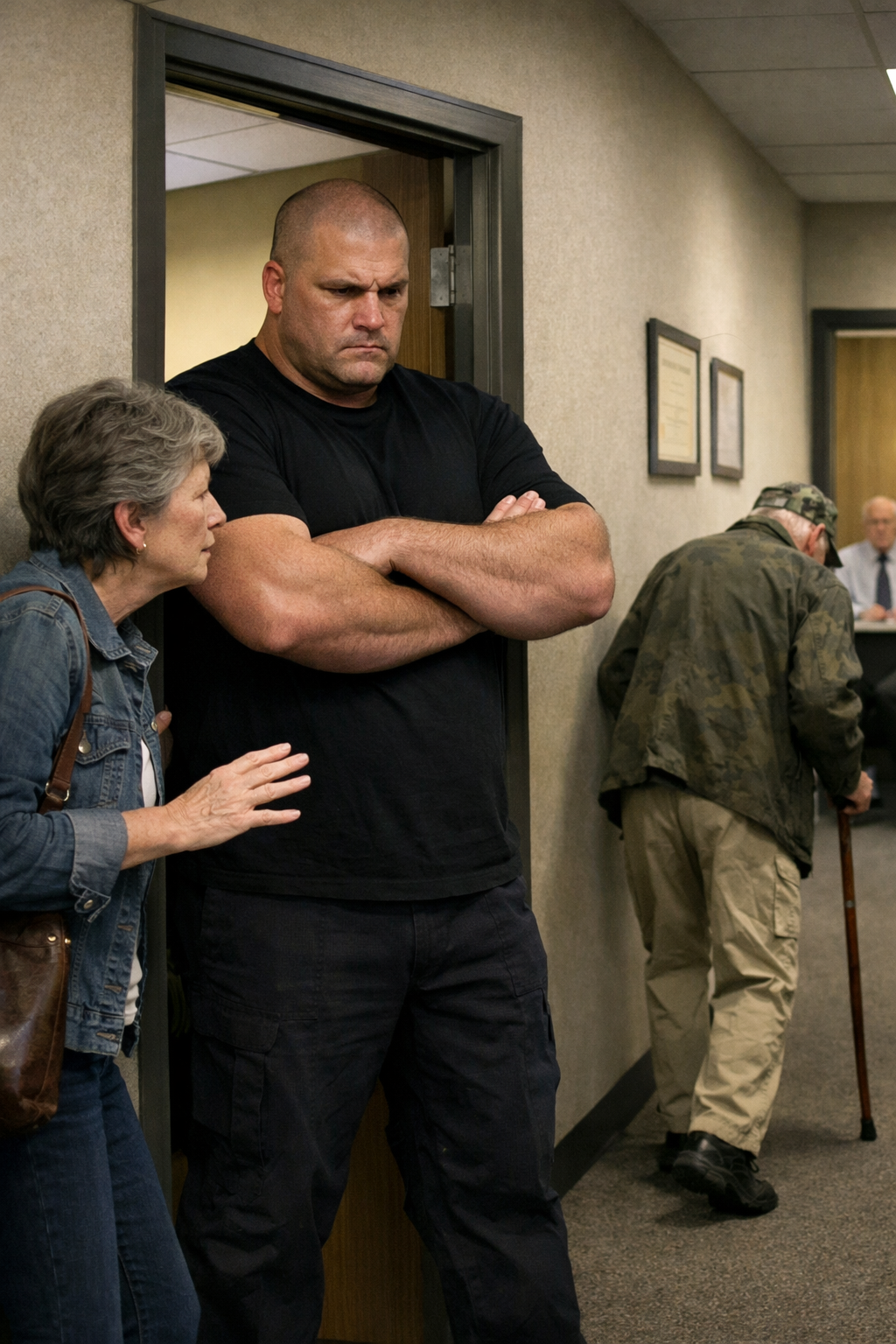
OP4V uses advocacy and practical counseling approaches because, from clerks to clinicians, many of our veterans face unnecessary roadblocks to proper psychiatric care at the VA. Too often, they are turned away by VA clerks and gatekeepers, and even Veterans Service Officers have stood in their way by refusing to submit their disability claim. We teach veterans to be professionally assertive and stand their ground. Veteran spouses play a vital role in speaking out on behalf of their veteran. They make a difference. If you believe you’ve been treated unfairly, you are not alone. You deserve clear answers. For a direct, unfiltered look at these issues and what veterans are facing, see Empty Promises by Michael F. Coonan, available on Amazon.