
The 4 Steps for a Successful VA Claim
Stop guessing and start documenting. Understand the specific criteria the VA requires to grant your mental health disability rating.
Whether you want to navigate the process yourself with our Free Downloadable Guide and filling it out on your own, or if need our extensive support, we are here to help you move forward with confidence.
View the 4 steps below for a Successful VA claim.

Step 1.
Establish a Current Mental Health Diagnosis
You must have a current, clinically diagnosed mental health condition (PTSD, MDD, anxiety, etc.) from a qualified provider (VA or community).
It must meet DSM-5 criteria and be supported by symptoms and functional impact
A past diagnosis alone is not enough; the condition must exist now
The VA will not grant benefits without a clear diagnosis
Key question: “What condition are we evaluating?”
Why claims fail here:
No formal diagnosis
Vague or unsupported diagnosis
Symptoms documented, but no diagnosis assigned
Key point:
Without a diagnosis, the claim stops here.
Step 2.
Prove an In-Service Stressor or Event
You must show that something happened during service that could reasonably cause your condition.
Examples: combat, MST, accidents, repeated trauma, moral injury
Evidence can include:
Service records
MOS exposure
Lay statements (you, spouse, buddies)
Standard: “More likely than not” (50% or greater)
Key question: “What happened to you?”
What matters most:
Clear, specific description (who, what, where, when)
Consistency across records
Patterns of exposure (not just one event)
Step 3.
Establish the Medical Nexus (The Link)
This is the make-or-break step.
You must show it is at least as likely as not (50%+) that your condition is caused by or related to service.
Requires a medical opinion with clinical reasoning
Must connect:
Diagnosis
Service event
Symptom timeline
Key question: “How do we know service caused this?”
Strong nexus includes:
Clear explanation (not just a conclusion)
Symptom onset and progression
Consistency with trauma type
Supporting lay evidence
Why claims fail here:
No nexus opinion
Weak or vague reasoning
Ignoring timeline or history
Step 4.
Demonstrate Severity & Functional Impact
This determines your rating (0%–100%) under 38 CFR §4.130.
The VA rates impairment, not just diagnosis.
They look at:
Sleep, mood, anxiety, anger
Memory and concentration
Work impairment and unemployability
Relationships and social functioning
Suicidal ideation/safety concerns
Key question: “How badly does this affect your life?”
What makes this strong:
Real-life examples (not just symptoms)
Frequency, severity, duration
Impact on work and relationships

Organizes Evidence
It documents the "who, what, when, where, why, and how" of your trauma.

Demonstrates Impact
It shows exactly how conditions like PTSD, depression, or anxiety limit your daily life and work capacity.

Builds the "Nexus"
It provides the foundation for a medical professional to link your current diagnosis to your time in service.
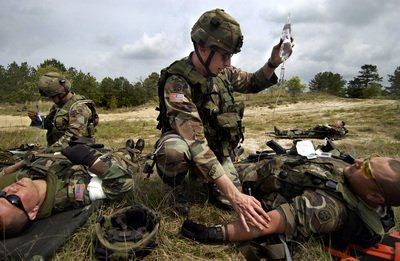
What is a Military History Psychosocial Assessment (MH-PSA)? What Goes Into It.
Getting a VA disability rating for mental health isn't about telling your story once and hoping the VA connects the dots. The Military History Psychosocial Assessment (MH-PSA) is a structured clinical tool designed to help you tell your full story in your own words.
Your assessment is more than just a list of dates. It is a comprehensive review of your life before, during, and after the military.
Military History: Reviewing trauma events, deployments, and specific duties.
Mental Health History: A record of past treatments, medications, or hospitalizations.
Family & Social History: Your background, relationships, and current support systems.
Employment & Education: Your work history and any stressors related to your career or finances.
Functional Impact: Specific examples of how symptoms affect your hygiene, chores, driving, or ability to leave the home.
Mental Status Exam: A description of your current mood, behavior, and thinking as they relate to your trauma.
Tips for Success & Self-Advocacy
Don’t Go It Alone
If you have a spouse or partner, involve them in the process. They often notice changes in your behavior or mood that you might not see yourself. Bring them to your VA appointments and insist they remain with you for support.
Handling Avoidance and Denial
It is normal to feel overwhelmed, frustrated, or like giving up when revisiting painful memories. This "avoidance" is a symptom of trauma, not a sign of weakness. Take your time; there is no "right" way to tell your story.
At the C&P Exam
The Compensation & Pension (C&P) exam is an evaluation, not treatment.
Be honest about your "worst days," not just how you feel the moment you walk in.
If you have memory or anxiety issues that prevent you from telling the full story, state this clearly and ask that your spouse be allowed to provide witness testimony.
FAQs
Is the MH-PSA a test?
No. There are no right or wrong answers. It is a tool to help you organize your experiences clearly and honestly.
What if I don't have a formal diagnosis yet?
You can still begin the process. If you show symptoms consistent with PTSD or anxiety, you should seek a referral to a VA psychiatrist or a private clinician for a formal evaluation.
Do I need to use medical language?
Not at all. Honest, clear, and real descriptions of your experience are more valuable than trying to use clinical terms.
What if the VA refuses to see me or scan my documents?
Stay respectful and firm. If a provider deflects your request for a specialist, ask for their decision in writing and contact a Patient Advocate.